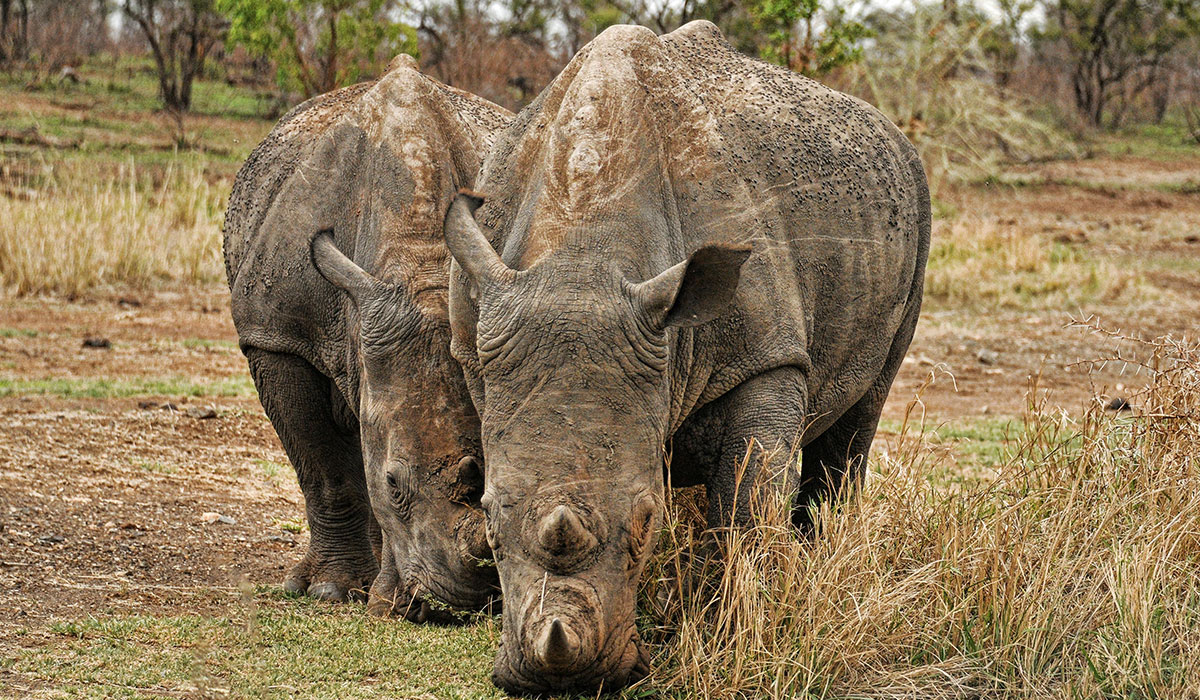
Ziwa Rhino Sanctuary is located in Nakasongola district, northwestern Uganda, near the Nakitomo village in…
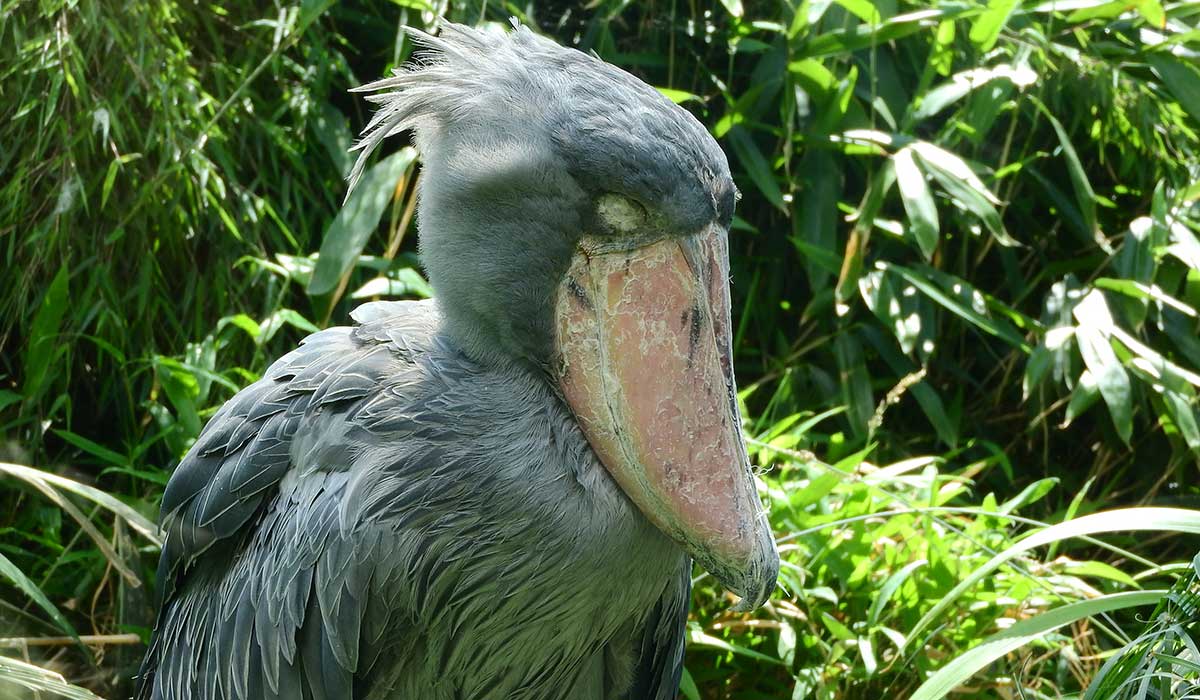
Mabamba Swamp Bay is situated west of Entebbe, on the northern shores of Lake Victoria, in the small village of Kasenje, Wakiso District, covering 2,424 hectares. The name Mabamba was derived from the local language, where it refers to the lungfish, commonly known as mamba. Mabamba Swamp is most famous for its rare shoebills and hosts over 300 other bird species, making it an ideal spot for bird watching. The Mabamba Swamp was listed as an international Ramsar site in 2006 due to the presence of rare bird species, making it an important bird area with papyrus and good vegetation similar to that found in Lake Victoria.
The sanctuary has four threatened bird species that include blue swallows, white-winged warblers, papyrus gonoleks, and shoebill storks. The swamp is reached using both road transport and water transport; by road, drive from Kampala, passing through Entebbe to the Kisubi area, then branch to Nakawuka town and finally Kasenje village, proceeding to Mabamba Swamp. By water, you use a speedboat hired from either the waterfront beach or the Entebbe Sailing Club, taking 40 minutes to the swamp.
Birds found in Mabamba Swamp BAY.
Brown Parrot, Blue-headed Cuckoo, Blue-headed Coucal, Blue-cheeked Bee-eater, Blue Swallow, Blue-breasted Bee-eater, Black-winged Stilt, Black-headed Weavers, Black-headed Heron, Black-faced Rufous Warbler, Black-crowned Waxbill, Black-crowned Night Heron, Black-headed Gonolek, Black Egret, Black Crake, Banded Martin, Ashy Flycatcher, Angola Swallows, shoebill storks, papyrus Gonolek, and white-winged warbler.
Other WILDLIFE and animals
- Butterflies: The swamp is home to over 200 species, such as Bicyclus sebetus, Acraea consanguinea, Acraea aganice, and Achaea aurivilli.
- Fish: lungfish, tilapia, Nile perch, mudfish
- Water snakes, tortoises, spiders, and lizards
Activities carried out in Mabamba Swamp.
Shoebill canoe tours. The visitors sail on the swamps searching for fascinating shoebills, learning about their way of living with the help of a guide. The shoebills feed on the fish, insects, and frogs in the waterlogged areas. In addition, other bird species are also viewed, like herons, pygmy geese, and malachite kingfishers.
Watching butterflies. The swamp hosts over 200 species, such as Abisaraneavei, Acraea aganice, and Acraea aurivili, and as you enjoy birding, the butterflies are viewed as well, hence making the trip more exciting.
Fishing. The swamp has muddy waters, papyrus, and reeds, and gets clear water from Lake Victoria that makes fishing possible. This is the main economic activity practiced by the locals, where fish like mudfish, tilapia, Nile perch, and lungfish are caught. The tourists can also engage in the activity using the locally made equipment, which includes the hooks and rods.
Canoeing. The tourists use the canoe boat to visit the nearby islands on Lake Victoria, take bird tours, and fish on them.
Village walks. There are settlements outside the swamp that have fishing stalls and craft shops where you can buy souvenirs and learn about their lifestyle. Spotting the sitatungas. These are swamp antelope, rare creatures viewed while moving through the papyrus reeds. There are few because of poaching in the community, and the government is enforcing restrictions so as to conserve them.
Related Posts